
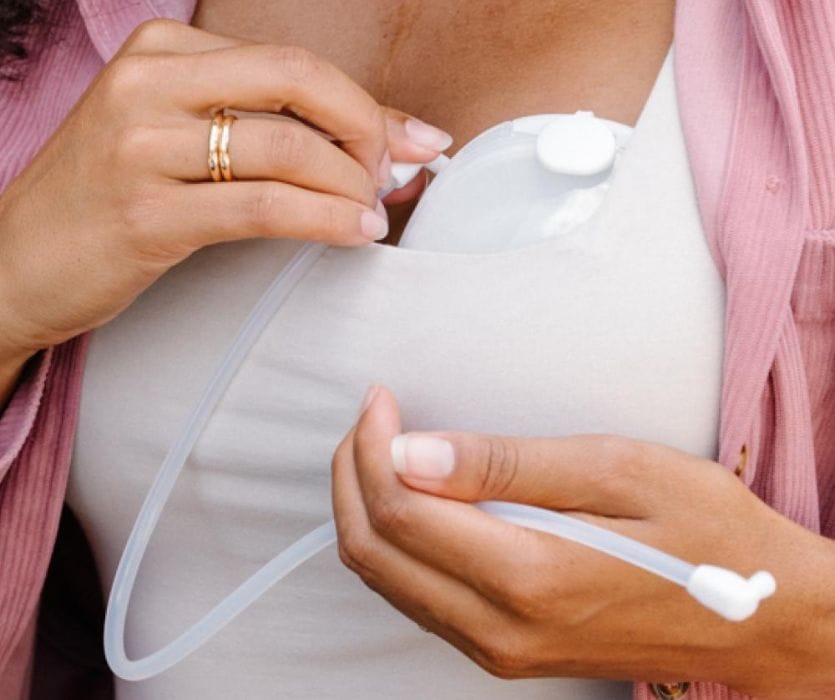
Most health insurance plans, including Medicaid, will cover a breast pump at no cost to you, thanks to the Affordable Care Act. I've helped countless moms navigate this process over the years, and while it can feel confusing at first, getting your free pump is actually pretty straightforward once you know the steps.
What You Need to Know Upfront
The ACA requires most insurance plans to cover breast pumps as preventive care. This typically means a brand-new double electric pump with no copay. You'll usually need a doctor's prescription, but specialized suppliers handle most of the paperwork for you, making the whole process much easier than dealing with insurance directly.
Here's what I've learned works best: Order your pump around 30 weeks pregnant (though you can usually order from 6 months before to 6 months after birth). Most plans cover one pump per pregnancy.
How to Get Your Free Breast Pump
Step 1: Check Your Coverage Visit a breast pump supplier's website like Aeroflow Breastpumps, Babylist Health, 1 Natural Way, or Edgepark. Enter your insurance details and they'll verify what your plan covers (usually within 24 hours).
Step 2: Get a Prescription Your OB/GYN or midwife will need to write a prescription. Most suppliers will contact your doctor's office directly to handle this, so you don't have to chase anyone down.
Step 3: Choose Your Pump Based on your coverage, you'll select from available models. Popular covered brands include:
- Medela
- Spectra
- Lansinoh
- Elvie
- Willow
- Motif
- Ameda
- BabyBuddha
Step 4: Receive Your Pump Most suppliers ship your pump with free shipping closer to your due date. Zero out-of-pocket cost in most cases.
What Insurance Plans Actually Cover
Private Insurance: Most plans cover double electric breast pumps. Some cover manual pumps or allow upgrades to wearable pumps with a copay. Major insurers like Aetna, United Healthcare, Anthem Blue Cross Blue Shield, and Cigna typically offer full coverage through approved suppliers.
Medicaid: Coverage varies by state but most Medicaid plans cover personal-use double electric pumps. You'll need to check with your specific state plan for details on timing and approved suppliers.
What Else Is Covered: Many insurers cover up to $2,000 in additional breastfeeding essentials – replacement parts, flanges, storage bags, lactation consultant visits, and even postpartum support garments. Always ask what else you qualify for.
Should You Use a Breast Pump Supplier or Go Direct?
Over the years, I've consistently recommended Aeroflow. Here's why: they've dealt with insurance companies hundreds of thousands of times. They know which forms to file, how to get prescriptions quickly, and which pumps your plan actually covers.
The only time I'd suggest going direct is if you found an incredible sale and your insurance only reimburses a portion of the cost. In that case, you'd buy the pump yourself, submit receipts, and wait for reimbursement. But honestly? The hassle usually isn't worth the savings.
Questions to Ask Your Insurance
If you prefer handling things yourself or want to verify coverage details:
- Do you cover rental or purchase of a breast pump?
- Are manual and electric pumps both covered?
- Do I need a prescription or pre-authorization?
- Which suppliers are in-network?
- When can I order my pump?
- What additional breastfeeding benefits do you offer?
No Insurance? Try WIC
WIC (Women, Infants, and Children) clinics often provide breast pumps or rental options for free. Contact your local WIC office to check eligibility – they're genuinely helpful and the service is designed specifically for moms who need extra support.
Common Pitfalls I've Seen
Waiting Too Long: Don't wait until after birth to start the process. Insurance verification and prescription processing can take a few weeks.
Assuming All Plans Are Equal: Even within the same insurance company, coverage can vary wildly based on your employer's specific plan. Always verify your individual coverage.
Not Asking About Extras: Seriously, ask about those additional covered items. Lactation consultant visits alone can be worth hundreds of dollars.
The Bottom Line
Breast pumps are expensive – good ones can run $200-$400. Since you're entitled to this coverage, take advantage of it. Using a specialized supplier removes the headache of dealing with insurance paperwork, and you'll get a quality pump delivered to your door at no cost.
Related Resources
Need help choosing the right pump? Check out my Five Tips for Picking a Breast Pump to understand the differences between manual, electric, and hospital-grade pumps.
Going back to work? My Breast Pump Bag Packing List covers everything you need to pack so you're never caught unprepared at the office.
About the Author: Amy Morrison is the founder of Pregnant Chicken and mom of two who has been writing about pregnancy and new parenthood since 2010. She's helped thousands of readers get their free pumps over the years.
Leave a Comment