
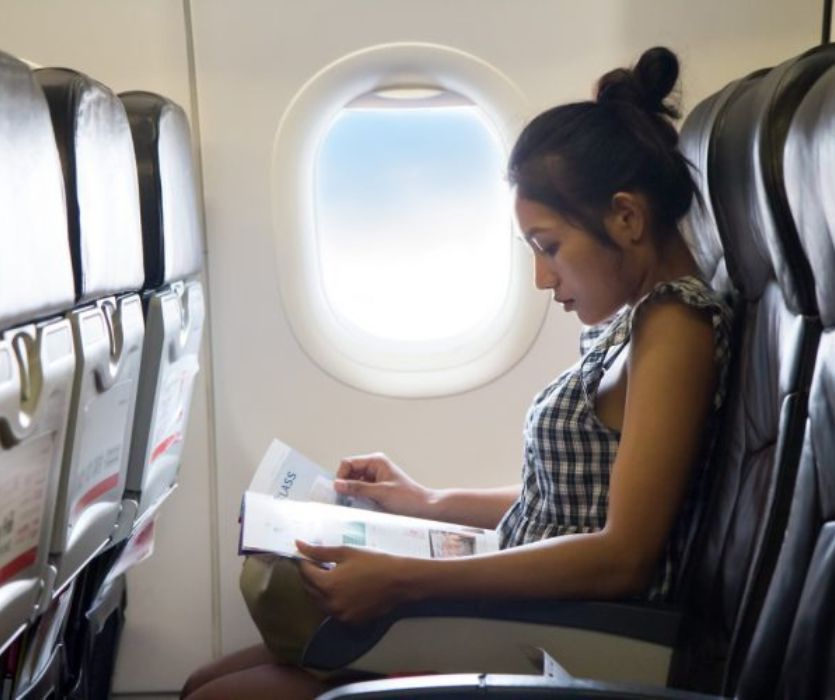
Let me be straight with you: flying with breastmilk is not fun. It's stressful, logistically awkward, and occasionally humiliating. But it's completely doable, and once you've done it the first time, it gets so much easier.
I've pumped on a flight to Bangkok at 2am under a shawl. I've sweet-talked bartenders for ice packs. I've stood my ground with security agents waving TSA policy printouts in their faces. This guide is everything I wish someone had handed me before my first work trip as a nursing mom.
What's in this guide:
- Packing your pump and gear
- Where to pump at the airport (and on the plane)
- Getting your milk through security
- Traveling home with milk in tow
- What to do when things go sideways
1. Start with a mental reset
Things can go wrong. Moms have missed flights because they couldn't find a place to pump in time. Flight attendants have shamed nursing moms mid-air. One woman was sent to pump in the pet relief area at an airport. These stories are real.
But millions of pumping moms fly every year without incident. Your job is to go in prepared, know your rights, and decide in advance that you're not going to let anyone mess with you or your milk. You're a Warrior Viking. Just, like, a polite one who doesn't get arrested.
2. Packing: one carry-on, no chaos
Some moms try to call their pump "medical equipment" to get around the one carry-on, one personal item rule. It sometimes works, but pack as if it won't, because if you arrive with two bags and an ornery agent, you're stuck.
Here's the move: consolidate your purse into your suitcase. Tuck your wallet, keys, and phone into the pump bag. You now have your carry-on and your pump bag, and everything fits.
For your cooler: pack it in your checked bag on the way out, then make room for it in your carry-on on the way home.
- 1–2 day trip: a reusable leak-resistant lunch bag works fine
- Up to a week: a soft-sided 6-pack cooler (which will have a much better life later, full of beer)
Cram the cooler into the top of the pump bag or your carry-on. It doesn't need to look pretty.
3. Where to pump at the airport
Let go of your normal pumping schedule now. En route is its own thing.
Best case: your airport has a Mamava lactation pod. Find it, use it, feel grateful. Some airports have dedicated pumping rooms – worth Googling ahead of time.
If you have lounge access: use it. No explanation needed.
No pods, no lounge: you've got two real options – pump in a family restroom, or wrap yourself in a big shawl and pump right in the terminal. Both are valid. Anyone who makes you feel otherwise is wrong.
On the family restroom: yes, someone will knock. Yes, it takes 20 minutes. Do it anyway and don't feel guilty. You are doing this for your family.
4. Pumping on the plane
This section is where I lose some people, but stay with me.
Before you board: set up your battery pack, plug it into your pump, fresh batteries in. Have wipes, Ziploc bags, and extra storage bottles (with lids – do not forget the lids) within easy reach.
Option A: the airplane bathroom
Less comfortable, more private. The bathrooms are absurdly small – I'm not going to pretend otherwise – but it's workable.
Before you go in, find a flight attendant you like the look of and tell them what you're doing. You're a new mom, you need to pump, you don't want them to worry. You are not their first. Once you're in: sit on the closed toilet lid, balance the pump on your knees, bring a bottle of water and your phone. Rinse pump parts with bottled water only – no sink water on a plane – or just leave them and deal with washing once you land. It's fine.
Option B: at your seat
I know. But I've done it, and it works.
I was on a red-eye to Bangkok, lights down, most people asleep, white noise covering everything. I had an empty row. I threw on my shawl, set up quietly, and watched a movie on the seatback screen for 20 minutes. No one said a word.
Tips if you go this route:
- Book a window seat
- Try to get an empty row (seat selection tools or checking in early helps)
- Do not sit next to a coworker unless they are your actual best friend
- Wear a camisole under a loose shirt and cardigan – easy access, good coverage
- A big, drapey shawl is your best friend
If a crew member gives you grief: you are within your rights. There is no rule against pumping on a plane. Say the word "medical" early and often. Remind them, if needed, that JetBlue and Delta have both had to publicly apologize for mistreating pumping moms. And the Frontier breastfeeding lawsuit? That one actually ended in a win – Frontier settled in 2023 and agreed to let pilots pump during noncritical phases of flight and to treat breastfeeding the same as any other medical condition. The tide is turning. Don't back down.
5. Packing your milk for the journey home
Hopefully you've been able to freeze some or all of your milk while you were away – frozen is easier to transport and less stressful to pack. But liquid milk is fine too. Just prepare yourself: leaks happen.
Pack your milk into Ziploc bags first (leak insurance), then into your cooler. Keep liquid milk in pump bottles rather than transferring it and risking a spill. If you have a lot of frozen milk, it acts as its own ice pack – but toss in an extra ice pack if there's room. Ice packs are allowed through security in both the U.S. and Canada.
Once you've packed the cooler, resist opening it. Every time you peek, cold air escapes.
If you're delayed: find a bartender in the terminal or a friendly flight attendant and ask for ice. Put it in a Ziploc or an empty breastmilk storage bag. This works.
6. Getting through security
Build 30 extra minutes into your airport arrival time.
Your options for getting milk home:
- Check it in your luggage: the belly of the plane is cold, and your milk will be safe. Good option for direct flights. Risk: delayed or lost bags.
- Ship it: companies like Milk Stork exist specifically for this. Worth knowing about.
- Carry it on: what I always do, and what most pumping moms do.
In the U.S.: you can bring as much breastmilk as you want through security, with or without your baby. TSA classifies breastmilk as a medically necessary liquid. When you get to the agent, say clearly: "I'm a nursing mother traveling with a breast pump and breastmilk."
You have the right to ask that your milk not be X-rayed or opened. If you make that request, they'll use alternative screening – which means a pat-down and screening of your other carry-on items. It sounds like more work, but it's worth it if you want to protect your milk.
The BABES Enhancement Act, passed in 2025, strengthens protections that have been on the books since 2016, requiring clearer TSA rules, better officer training, and more consistent screening nationwide. Your rights are more explicitly protected now than they've ever been. Print out the TSA breastmilk policy page anyway and bring it with you. If there's pushback, escalate to a supervisor. Do not let that milk out of your sight.
In Canada: the rules aren't as explicitly spelled out, so you're relying more on the individual agent. Same approach applies — state clearly what you have, stay calm, ask for a supervisor if needed.
In the UK: You can now bring unlimited unfrozen breastmilk in your hand luggage in the UK, even without your baby with you — up to 2 litres. The one catch: frozen breastmilk still can't go in hand luggage, so if you're heading through a UK airport with frozen milk, it needs to be checked. Worth knowing before you get to the security lane.
7. Getting home
When you arrive, your frozen milk will probably be slushy around the edges. I've been doing this for years and I just put it straight back in the freezer. Breastmilk is remarkably stable. If you're more cautious, pour off any fully thawed liquid into bottles and use those within a few days, then freeze anything that's still solidly frozen.
You can do it
The first time is the hardest. After that, it becomes routine (or at least manageable). You know your rights, you know your gear, and you know what to expect.
Related: Your first-day-back-at-work breast pump bag packing list
About the Author: Jessica Shortall is a working mother of two and author of Work. Pump. Repeat: The New Mom's Survival Guide to Breastfeeding and Going Back to Work. Her TED Talk on paid parental leave surpassed 1 million views in its first two months.
Leave a Comment