
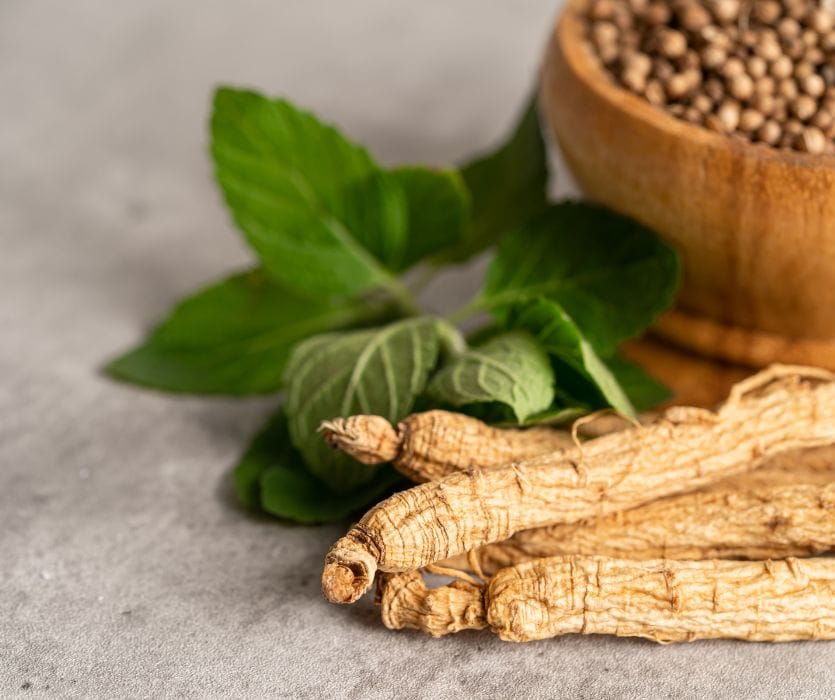
The bottom line: A 2003 laboratory study found that compounds in ginseng caused abnormalities in rat embryos, raising initial safety concerns. However, a later 2010 mouse study found no embryonic abnormalities when ginseng was consumed orally, even at extremely high doses. While up to 10% of Asian women take ginseng during pregnancy, there's still limited human data on its effects. Current medical guidance recommends using caution, especially in early pregnancy.
What We Know About Ginseng and Pregnancy
The concerning research: A 2003 study published in Human Reproduction found that ginsenosides (active compounds in ginseng) caused abnormalities when rat embryos were exposed to them in laboratory culture.
The reassuring follow-up: A 2010 mouse study tested actual oral consumption of Korean red ginseng extract at doses up to 200 times higher than typical human use, and found no embryonic abnormalities. This suggests that when ginseng is consumed normally (rather than applied directly to embryos in a lab dish), the active compounds may not reach high enough blood concentrations to cause harm.
The data gap: Despite millions of pregnant women worldwide taking ginseng (particularly in Asian countries where it's traditional medicine), we lack comprehensive studies tracking outcomes in humans. This is a significant blind spot in pregnancy research.
Current Medical Recommendations
The original researchers advised: "Use with caution in early stages of pregnancy," particularly in the first trimester. This remains the prevailing guidance, though the conflicting animal studies make it hard to assess the actual risk level.
The science is mixed, but when we're talking about a developing baby, most healthcare providers lean toward "better safe than sorry." Unless you have a compelling medical reason to take ginseng, this is probably one supplement worth skipping during pregnancy or at least discussing thoroughly with your doctor first.
What to Do If You're Currently Taking Ginseng
- Talk to your OB or midwife before stopping any supplement
- Don't panic if you've already taken some - the 2010 research suggests oral consumption may be less risky than the initial lab studies indicated
- Ask about safer alternatives for whatever symptom you're treating (energy, immunity, etc.)
The frustrating reality of pregnancy supplements is that we often lack the research we need because pregnant women aren't included in clinical trials. With ginseng, we have conflicting animal data and limited human studies – not exactly the clear answers expecting parents deserve.


Leave a Comment